.png)
 Tiếng Việt
 English


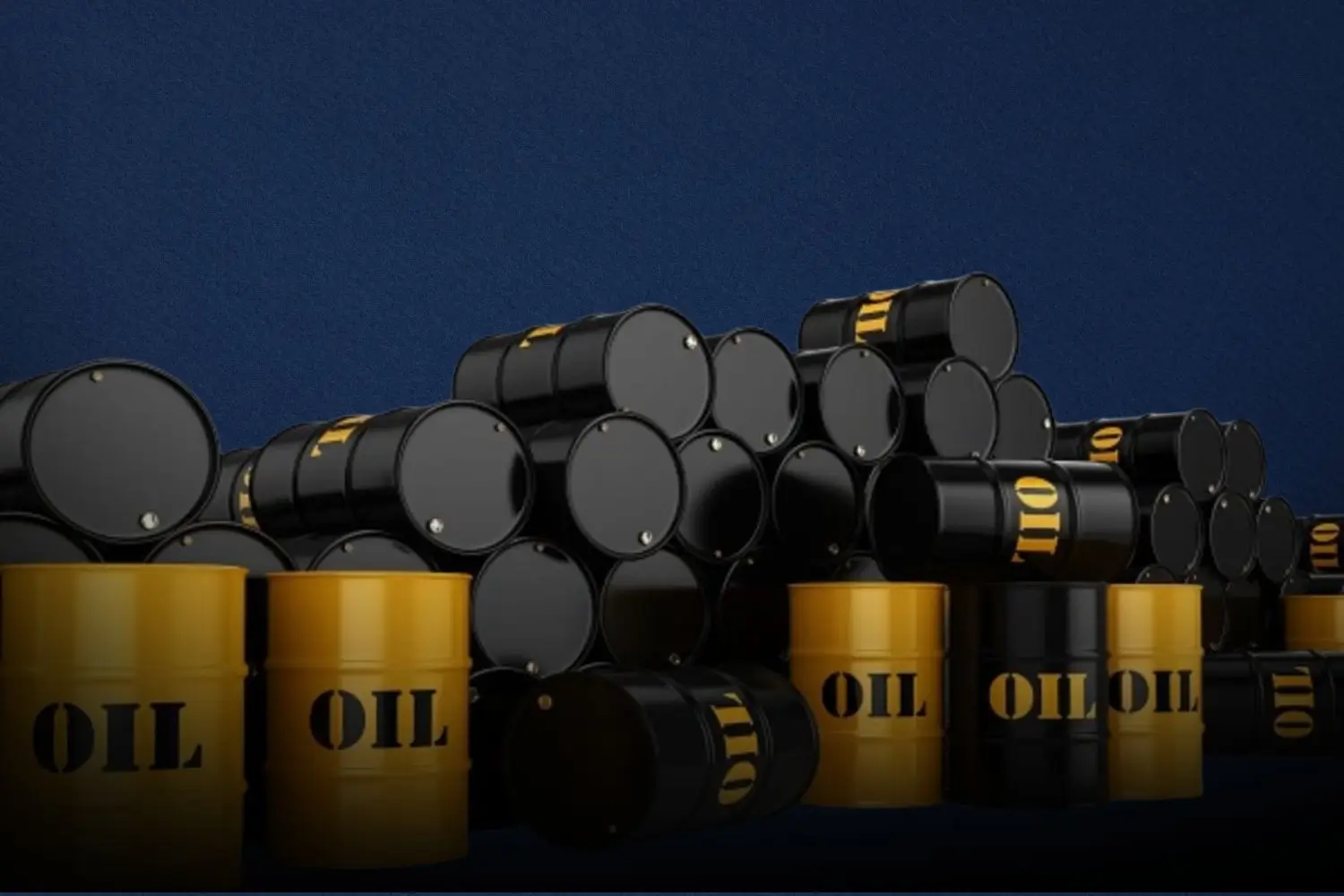
Oct 27 — Oil prices rose on Monday after U.S. and Chinese economic officials outlined a trade-deal framework, easing fears that tariffs and export restrictions between the world’s two largest oil consumers could hamper global economic growth.
As of 06:29 GMT, Brent crude futures gained 47 cents, or 0.71%, to $66.41 per barrel. U.S. West Texas Intermediate (WTI) crude futures rose 44 cents, or 0.72%, to $61.94 per barrel.
Both benchmarks posted strong gains last week — Brent rose 8.9% and WTI climbed 7.7% — as the U.S. and the European Union announced new sanctions targeting Russia, one of the world’s largest oil exporters.
“The combination of a U.S.–China trade framework and ongoing geopolitical tensions with Russia is fueling bullish momentum for oil,” said Edward Moya, senior market analyst at OANDA.
According to international media reports, U.S. and Chinese officials have agreed on a “framework” to resolve some of the long-standing trade disputes between the two countries. Although the details are still being negotiated, the development has eased market uncertainty and improved sentiment regarding global growth prospects.
The U.S. and China are the world’s two largest oil consumers. Any positive signal in trade relations between the two countries can directly impact global oil demand. As trade tensions ease, confidence in global manufacturing and transportation activity improves, pushing energy consumption higher.
“The market is reacting strongly to the positive signals from Washington and Beijing. This is not just a trade story — it’s also about growth expectations and global energy demand,” ING analysts noted in a report.
In parallel with the trade deal news, U.S. and EU sanctions on Russia continue to tighten global oil supply. Russia remains one of the top three oil exporters globally, alongside Saudi Arabia and the U.S.
The new sanctions are designed to curb Moscow’s ability to export crude, creating a tighter energy market. Analysts warn that continued supply restrictions could keep prices elevated or even push them higher in the coming weeks.
“Supply-side factors are critical here. Ongoing tensions between Russia and the West show no signs of easing, making it unlikely that oil markets will cool off soon,” ANZ Bank wrote in its market outlook.
With demand improving thanks to easing trade tensions and supply constrained by sanctions, many analysts expect oil prices to remain on an upward trajectory in the near term. However, the pace of gains could be volatile depending on negotiations and geopolitical developments.
Traders are also closely watching the upcoming OPEC+ meeting for signals on future output policy. If the group maintains its current supply cuts, oil prices could approach or surpass $70 per barrel in Q4.
“The combination of trade improvement, sanctions, and OPEC+ output strategy is setting the stage for a volatile oil market,” said Warren Patterson, Head of Commodities Strategy at ING.
1. Why did oil prices rise after the U.S.–China trade framework was announced?
The deal eased concerns over a global slowdown, boosting confidence in energy demand, which pushed oil prices higher.
2. How do sanctions on Russia affect the oil market?
Sanctions limit Russia’s ability to export crude oil, tightening global supply and supporting higher prices.
3. What role does OPEC+ play in oil price movements?
OPEC+ production decisions directly impact the balance between supply and demand, influencing price direction.
4. What is the short-term outlook for oil prices?
Oil prices are expected to stay firm in the near term, supported by demand recovery and supply constraints, though volatility remains high.