

Global financial markets are entering a highly sensitive period as U.S.–China trade tensions escalate and gold prices soar to record highs in 2025. China — the world’s largest holder of foreign exchange reserves — is taking a strategic turn toward large-scale gold accumulation, signaling a new phase in its financial strategy.
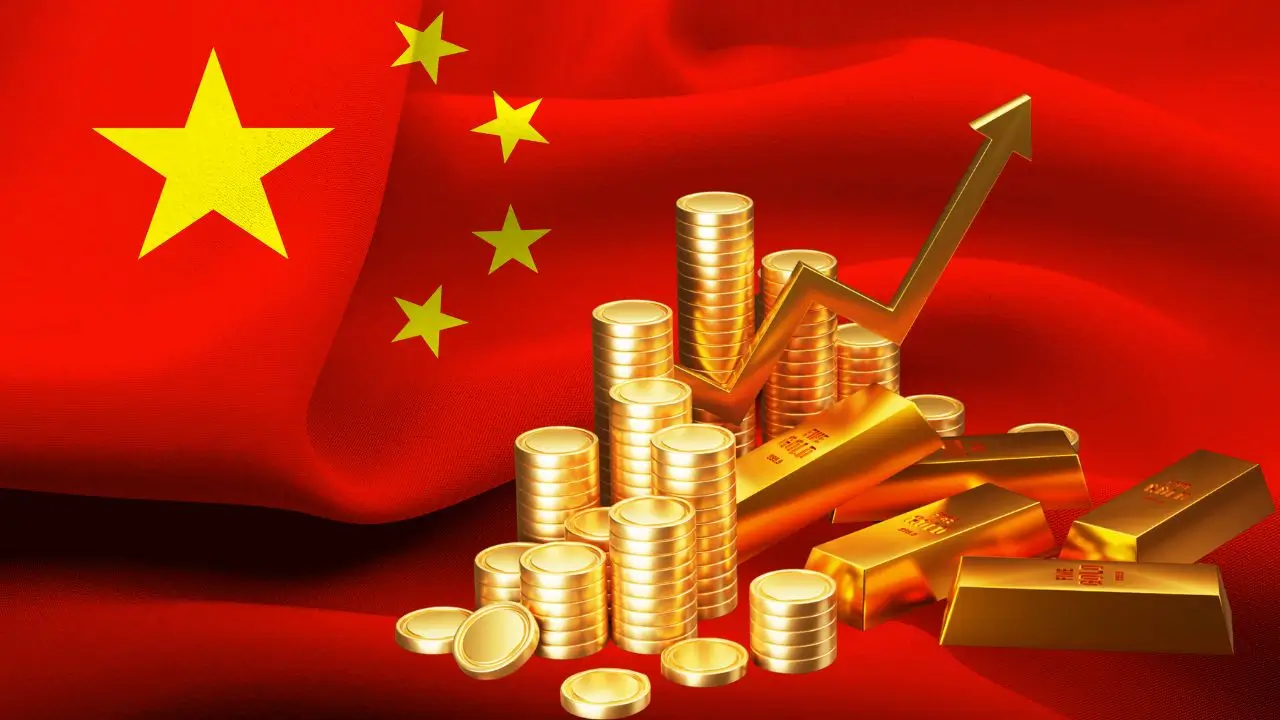
According to Swiss economist Claudio Grass, China has increased its certified gold reserves by 25 times in 2025 alone, a clear sign of Beijing’s intent to reduce dependence on the U.S. dollar–based global financial system.
“China wants to detach itself from the U.S. dollar because it is increasingly being used as a political tool,” Grass — an expert in monetary history and precious metals advisory — told Sputnik.
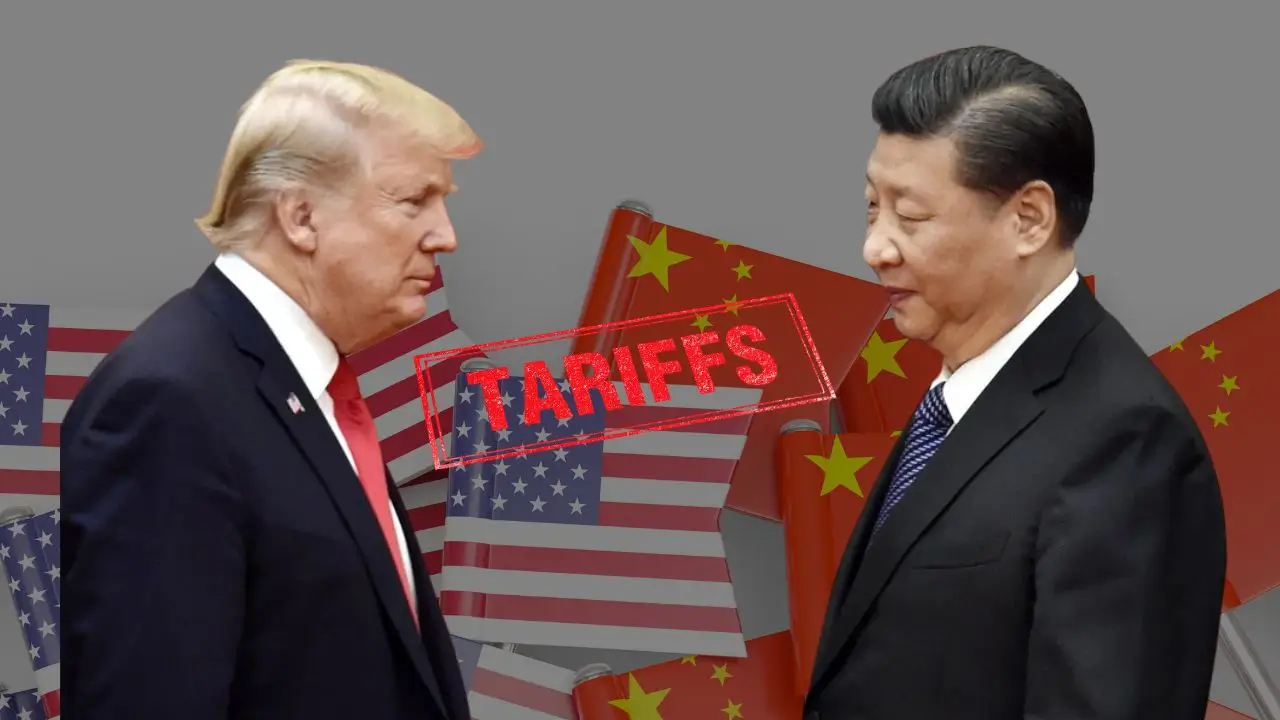
Grass argues that the tariff war launched during Donald Trump’s presidency reflects both a sense of economic insecurity and a shift toward indirect economic nationalism. This geopolitical uncertainty has made gold more attractive as a safe-haven asset.
“Central banks around the world — except the U.S. Federal Reserve — are now holding more gold than U.S. Treasuries. Physical gold is becoming the new global reserve currency,” Grass emphasized.
This gold-buying spree marks more than a portfolio shift — it reflects a power shift in global finance. As trust in the U.S. dollar weakens, gold emerges as a strategic hedge for China to fortify its financial resilience.
A key driver behind this trend is the rise of BRICS (Brazil, Russia, India, China, South Africa). The bloc is actively working to build an independent financial system, one less reliant on U.S. influence.
“They may use gold as the foundation for a future common currency, enhancing trust and liquidity among member states,” Grass explained.
While the internationalization of the yuan remains uncertain, experts predict BRICS nations may rely on a gold-backed yuan or a hybrid system, enabling a financial structure that challenges the U.S. dollar’s dominance.
According to Torsten Slok, Chief Economist at Apollo Global Management, China is now the primary force behind gold’s historic rally in 2025. The surge is fueled not only by central bank purchases but also by strong household demand and speculative flows.
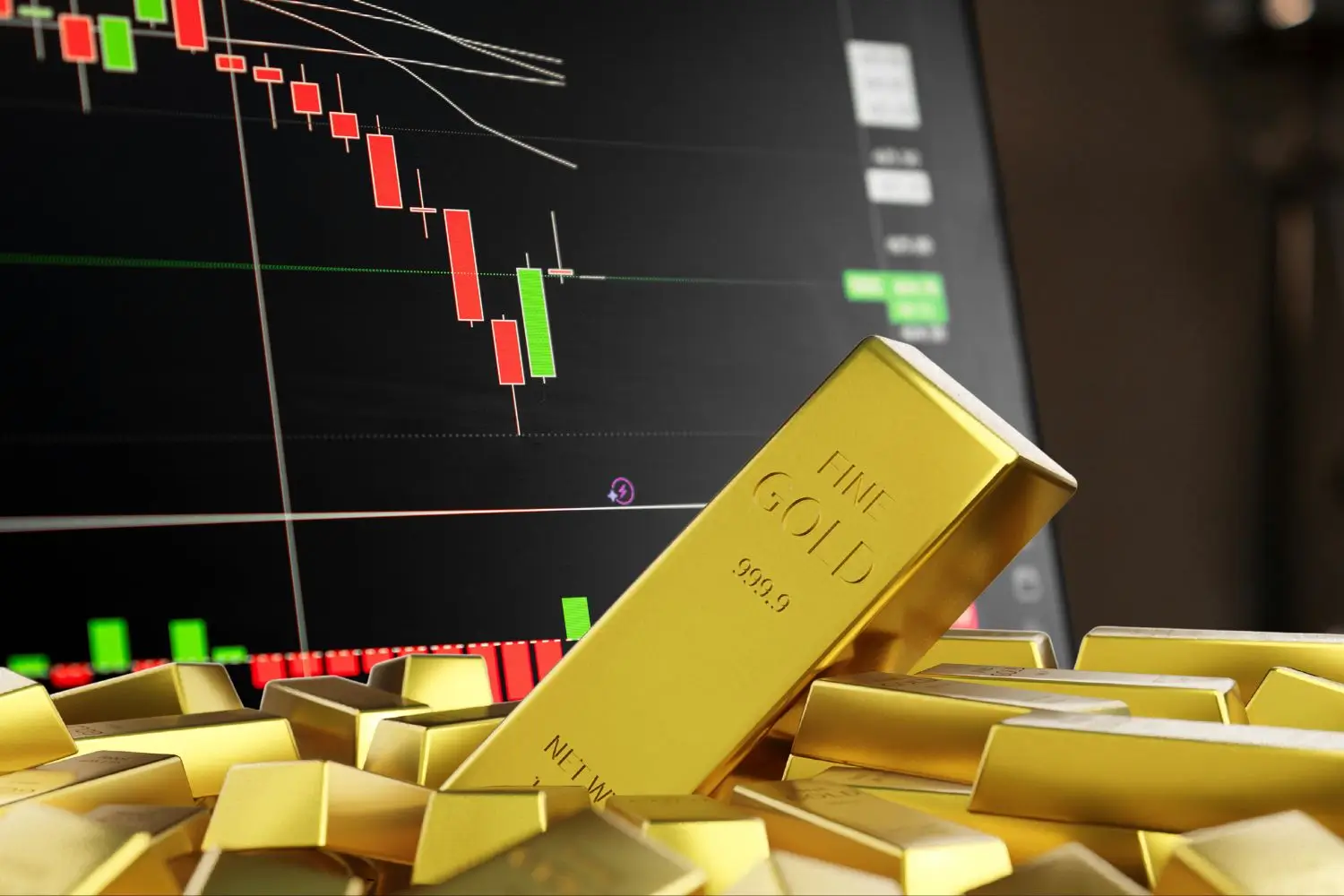
Gold prices rose over 55% year-to-date, surpassing $4,000/oz.
A recent 6.3% correction followed an all-time high of $4,381.52/oz.
Shanghai Gold Exchange withdrawals in September reached 118 tons, up year-over-year.
Chinese gold ETFs saw record inflows, reflecting booming investment activity.
Ole Hansen, commodity strategist at Saxo Bank, told Bloomberg: “Every correction reveals the true strength of the market. This time is no exception. The rally has deep structural roots.”
The People’s Bank of China (PBOC) has increased its gold holdings for 11 consecutive months, officially reporting 2,264 tons by mid-2025, according to Kitco. However, analysts believe the real figure may be significantly higher, a deliberate strategy to strengthen China’s geopolitical and financial leverage.
Alongside official accumulation, Chinese households are buying record amounts of physical gold through the Shanghai Gold Exchange. ETF inflows and surging futures trading volumes signal a powerful combination of safe-haven demand and domestic speculation.
These moves unfold as U.S.–China relations heat up. An upcoming meeting between President Xi Jinping and Donald Trump is expected to shape the next chapter of global trade, amid U.S. threats of a 100% tariff and China’s new restrictions on rare earth exports.
Slok’s analysis is echoed by top voices such as Lina Thomas (Goldman Sachs) and Pierre Lassonde (legendary Canadian gold investor). They believe this gold rally is rooted in fundamentals, not speculative hype.
Gold surged 65% in 2025 to $4,242/oz.
A weakening U.S. dollar amid trade war prompted global diversification.
Geopolitical instability and inflation fears cement gold’s safe-haven role.
Even veteran financiers once skeptical of gold are changing their stance. Jamie Dimon (JPMorgan Chase), Ken Griffin (Citadel), and Ray Dalio (Bridgewater Associates) have all publicly acknowledged gold’s growing relevance.
“This is one of the few times in my career I see holding gold as rational,” Jamie Dimon said.
Dalio recommends allocating 15% of portfolios to gold, calling it “an excellent risk diversification tool.” China, evidently, seems to agree.
Many analysts now believe gold could overtake the U.S. dollar as the world’s primary reserve asset if current trends persist.
Economist Ed Yarden forecasts:
Gold could reach $5,000/oz by 2026,
And $10,000/oz by 2028, if inflation and geopolitical tensions endure.
Meanwhile, BRICS efforts to build a new monetary framework may place gold at the heart of a future global financial system, challenging the dollar’s decades-long supremacy.
Beijing aims to reduce dependence on the U.S. dollar and strengthen its financial defenses amid escalating trade tensions.
The rally is driven by safe-haven demand, massive central bank purchases, U.S. dollar weakness, and heightened geopolitical instability.
BRICS countries are working toward a gold-backed or gold-linked financial system to build trust, liquidity, and independence from the U.S. dollar.
Many experts believe gold is well-positioned to regain a central role in the global monetary system as countries seek to diversify away from the dollar.

.png)
 Tiếng Việt
 English